 by
by Navigating Public Land: Essential Tips for a Successful Hunt
When you go onto land to hunt you might miss important boundary details. A tempting spot can become a headache if its borders touch land, roads or unclear corners. Hunters must check access as part of the hunting plan. Before you leave you must check every parcel. Rule carefully.
Validate Your Access From the Ground Up
Just because a pull‑off point is close does not mean the land next to it is for hunting. First look at the maps or access details from the land management authority. Compare those with aerial pictures and local access notes. Search carefully for strips of public land small parcels and borders that may hide on normal maps.
Watch for details that change your trip like seasonal access limits, marked entry points and any permits you might need. Some parcels may not allow hunting all. It is wise to check rules that could affect your hunt before you go.
Write down your chosen entry point. Map your hunting area and possible routes to bring back game. If any part of your trip crosses land that you have not confirmed you are risking trouble.
Use Boundary Indicators Wisely
Markers such as fences, gates, old roads or blazes can help,. They are not always accurate. A fence might not sit on the property line and a road could cross into private land. Natural features can also move; a stream might shift and a ridgeline might hide behind brush.
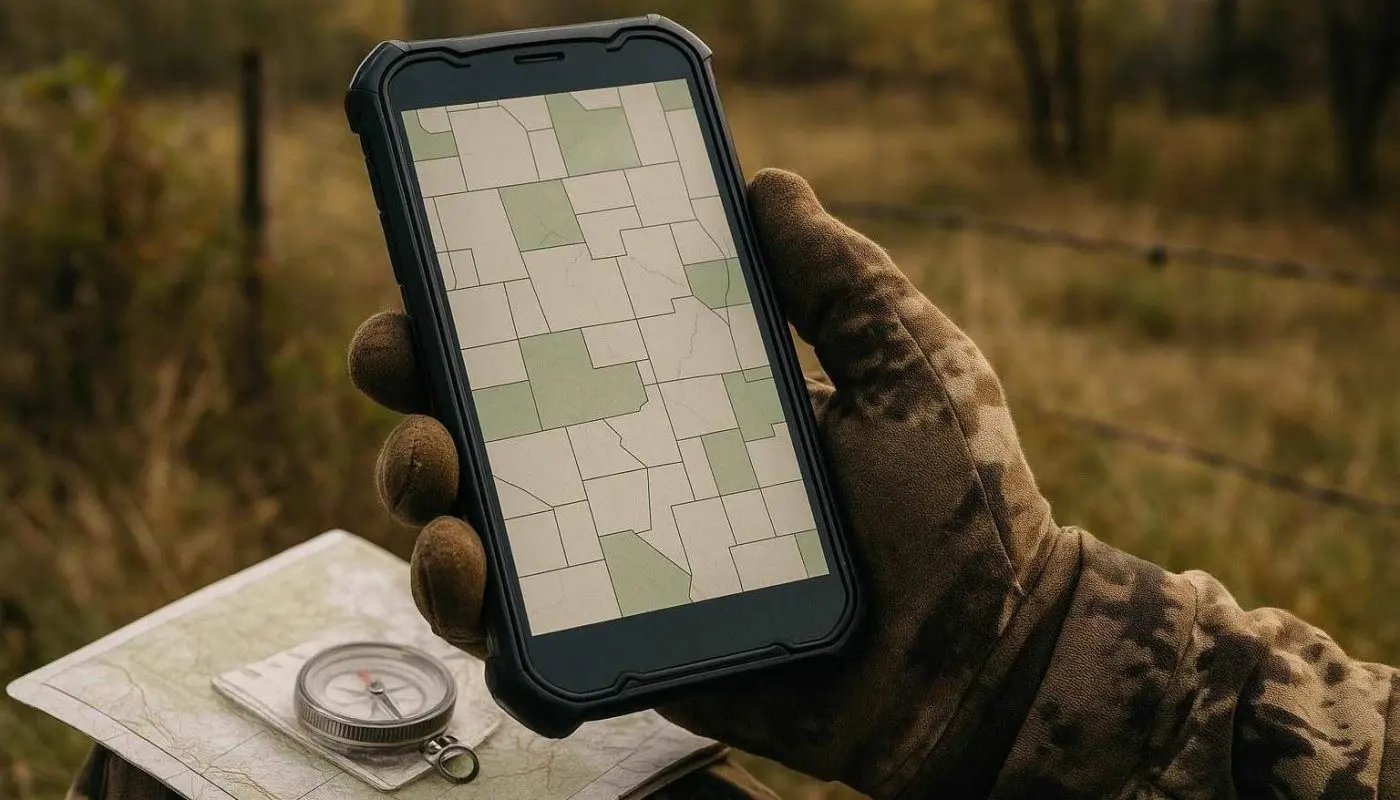
It is useful to download maps that work offline and to carry official parcel data for reference. Learn how your mapping app shows place, scale and direction and test it before the hunting season starts. Remember that dense forest or steep ground can mess up your GPS.
If your maps, signs and the land look contradictory it is smart to pause and think again. Do not guess which side is public. Instead mark your spot. Move away from the unclear edge to a place where the boundary is clear.
Establish Safe Zones Near Private Properties
Even if you are inside legal hunting land you must follow shooting habits, especially near private property. You must think about safety before you shoot; being close to homes, animals, roads, trails or hidden people can be dangerous. Thick trees can hide those dangers.
Before you start hunting create a no‑shot zone around unclear borders. The width of this zone depends on the ground how far you can. What is beyond the line. If you are unsure about your target, its background or where the bullet will go it is best not to shoot.
Also think about a recovery plan. If a deer goes onto land after you hit it decide before you go how you will act. Choose who to call how to record where the hit happened and what to do if you need to follow the game across a boundary without trespassing.
Familiarize Yourself with Local Regulations
hunting ways may have their own rules that depend on the game, the season and the gear you use. Some rules deal with bait or dogs and others with the type of vehicle that can go onto land.
Keep up to date by checking the rules from your local wildlife agency or land manager. Watch for emergency updates or temporary closings because printed guides and downloaded files can get old fast. If you are unsure about a rule call the agency directly for help. Keep that info close.
Gear Up for a Hunting Experience
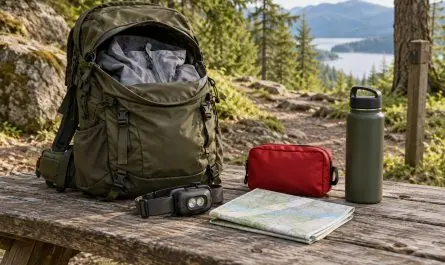
When you plan a hunt that cares about borders your gear must be flexible and safe. Carry basics such, as a charged phone that works offline a backup charger, marking tape, a good headlamp, water and simple first‑aid kit. Hold maps close. Guard your phone from rain or wind especially if bad weather may change your plans.
Choose clothing that allows for movement through terrain whether wet brush or steep inclines. Avoid damaging the land; do not mark trees disturb signs or tamper with gates. Instead take photos of areas of uncertainty. Report any damaged signage or blocked pathways to the appropriate authority.
Here's a simple checklist to help keep your trip organized:
– Validate the parcel, entry route and any access conditions.
– Download a map and identify the legal boundaries.
– Check current rules regarding season, methods, permits and vehicle access.
– Establish no-shot zones to ensure safety around hazards.
– Plan your approach for situations where recovery might lead to private land.
– Carry essential identification, licenses and emergency contact details.
Respect the Land and Its Boundaries
Mindful access is integral to hunting ethics and conservation efforts. Close gates after passing steer clear of soft ground stay on recognized pathways and pack out everything you bring in. Hunting ethics is crucial to be considerate of hunters, hikers and land managers particularly at shared access points where vehicles can hinder safe passage.
If you encounter discrepancies in maps missing signs or unclear routes on your outing Hunting ethics says best practice is to document the details and inform the land manager of attempting to resolve these issues while in the field. Record facts meticulously: note the date, location, visible markers and source of maps. Prepare for your visit with the most accurate information available.
Ultimately the best outcome from conducting boundary checks can simply be a hassle-free adjustment to your plans. By steering of questionable areas you protect your hunt maintain good relationships, with landowners and uphold the integrity of public land for responsible use.