 by
by A gear pile can look reassuring until the walk gets longer, weather turns, or a small omission becomes a serious problem. Carrying everything is not the same as being prepared, while carrying too little leaves no margin when plans change. A field gear audit offers a better approach: connect each item to a real task, a realistic risk and the conditions you expect, then remove what adds weight without useful protection.
Start with the day's actual demands
Before opening your pack, define the outing. How far will you travel? Will you return before dark? Will you cross thick cover, steep ground, wet terrain or exposed country? These answers matter more than a universal packing list.
Separate the trip into three layers: equipment required for the planned activity, items that keep a minor problem from becoming an emergency, and comfort items. This order helps prevent packing several conveniences while overlooking water treatment, insulation, navigation or communication.
A short walk near a vehicle may require a different setup from a remote day with uncertain travel time. Leave bulky comfort items behind when help is close. When help would be slow to reach, retain the small safety items that protect warmth, orientation and communication.
Sort equipment by consequence, not habit
Lay everything out. For each item, ask: What problem does it solve? What happens if it fails or is missing? Can another item do the same job?
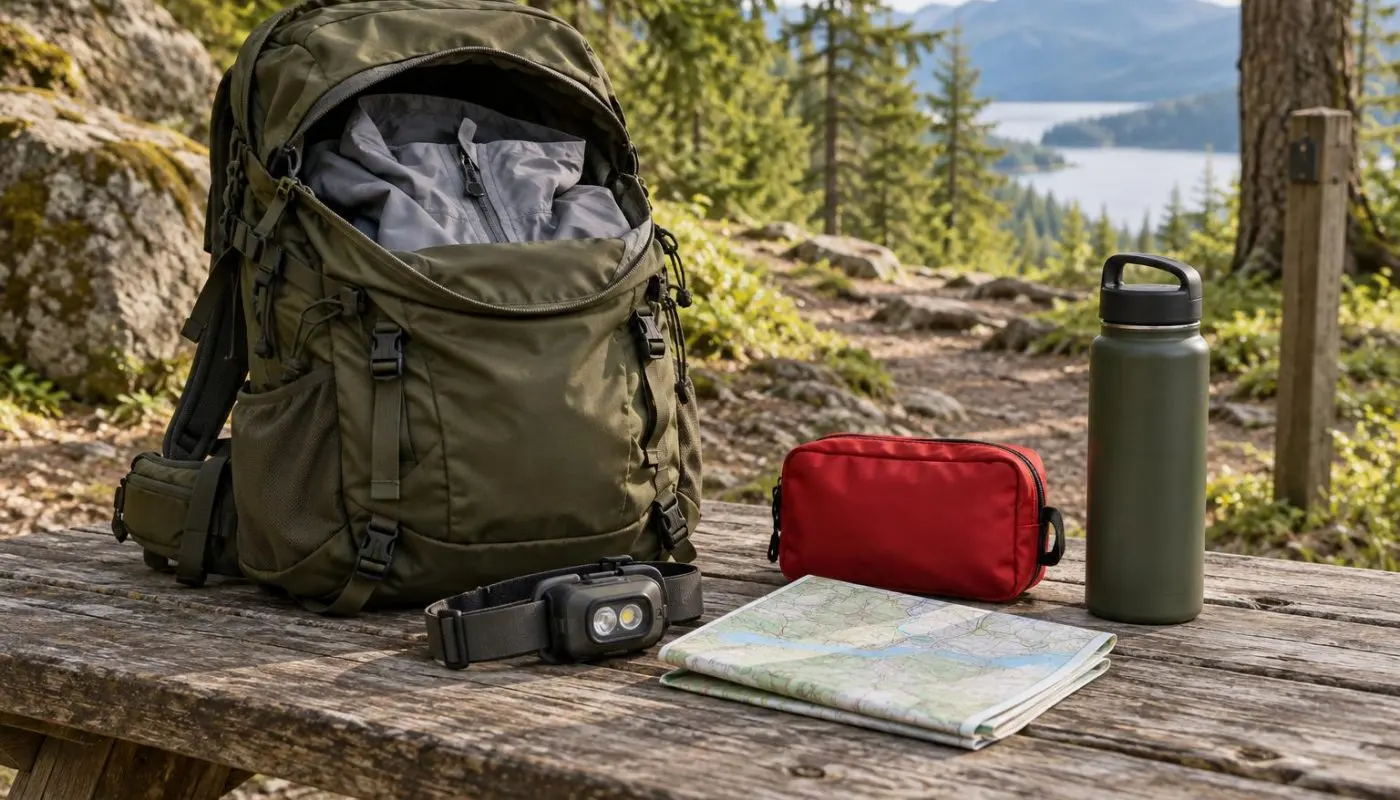
Prioritize navigation, weather protection, water, basic first aid, light, communication and essential medication. Do not cut them because they are rarely needed, and check that they work now. Batteries lose charge, waterproof layers develop damaged seams, fuel containers leak and stored headlamps can fail.
Redundancy should be deliberate. Two navigation methods may be worthwhile when visibility can collapse; three similar cutting tools may not be. A compact repair kit can handle torn fabric, broken straps and loose hardware without becoming a second toolbox.
Reduce weight without removing your margin
Lightweight packing is not a contest to reach the smallest possible load. Ask whether each item earns its place through function, reliability or risk reduction.
Start with duplicates and "just in case" additions that have no clear response plan. Replace items with multipurpose alternatives only when their combined functions are genuinely useful and safe. A smaller shelter or warmer layer may work on one route but be a poor trade when wind, rain or an unplanned delay is likely.
Weight also affects judgment. A cumbersome pack can encourage shortcuts, discourage carrying enough water or make someone rush difficult ground late in the day. Pack dense items close to your back, keep frequently used equipment accessible and protect emergency gear from being buried under food and spare clothing.
Do not lighten a load by relying on untested equipment. Try new items on low-consequence outings first, and inspect borrowed gear before taking it far from support.
Build an outdoor safety margin
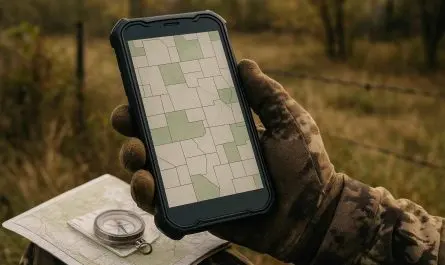
Prepare for small failures rather than assuming a perfect day. A map can get wet, a phone can lose service or power, a boot can rub and a temperature drop can make a damp layer dangerous.
Use a simple margin test: if one ordinary item fails, can you still stay warm, find your way, get help or return safely? If not, add capability before comfort. That might mean a dry insulating layer in a waterproof bag, a charged communication device, blister care or a dependable navigation backup.
Tell a trusted person where you are going, when you expect to return and what to do if you miss that check-in. Keep the plan specific enough to help, while recognizing that remote areas may delay communication. Safety also means changing course when conditions deteriorate.
Pack for movement, weather and recovery
Organize the pack around access. Keep rain protection, navigation, first aid and communication where you can reach them without emptying the bag. Protect moisture-sensitive items separately, and test the arrangement while wearing gloves or moving in low light if those conditions are plausible.
Choose clothing layers that allow work and rest without leaving you sweaty and chilled. Reserve one dry layer for a stop or emergency instead of wearing every warm item at the start. Match footwear to the ground, and check its tread, stitching and pressure points before a long outing.
Match food and water to the route and available sources. Never assume a familiar source is safe, and follow the directions for any treatment method. Carry out packaging, scraps and used consumables. Leave No Trace also means avoiding shortcuts that widen trails, protecting fragile vegetation and keeping wildlife from associating people with food.
Confirm rules before you travel
A responsible gear audit includes the rules governing what you may carry, where you may go and how you may act. Hunting seasons, access permissions, legal equipment, fire restrictions, transport requirements and wildlife protections can change. Check current guidance from the relevant land manager and wildlife authority, and carry required documentation in the accepted form.
Do not rely on an old checklist, a past season's habit or advice from another jurisdiction. Confirm that each rule applies to the exact property, species, method and date. When guidance is unclear, verify it through an official source rather than treating uncertainty as permission.
The final pack check
Use this checklist at the door:
– Route, weather and return plan reviewed
– Required permissions, licenses and regulations checked
– Navigation, light and communication tested
– Water, food, layers and first-aid supplies matched to the outing
– Batteries, medication and emergency items accessible
– Pack weight reviewed for duplicates and low-value comfort items
– Leave No Trace plan made for waste, camps and human impact
– A trusted person given the route and expected return time
A field gear audit should end in decisions, not shopping. Remove one unnecessary item, repair one neglected item and confirm one rule before each outing. That routine makes lightweight packing realistic, strengthens wilderness preparation and leaves more attention for safe movement, ethical conduct and the land you came to use.